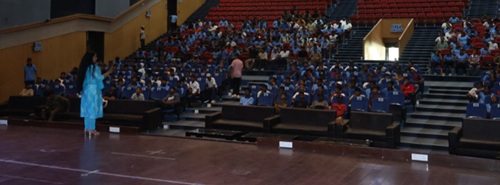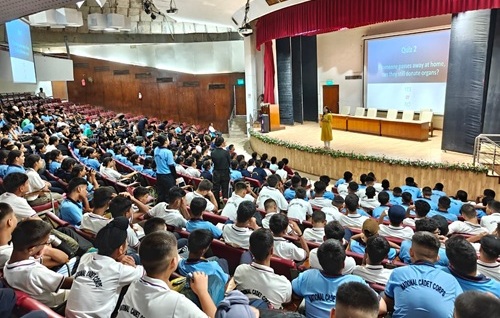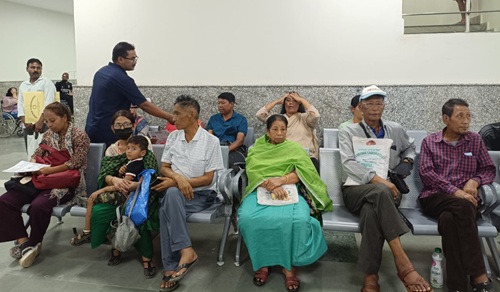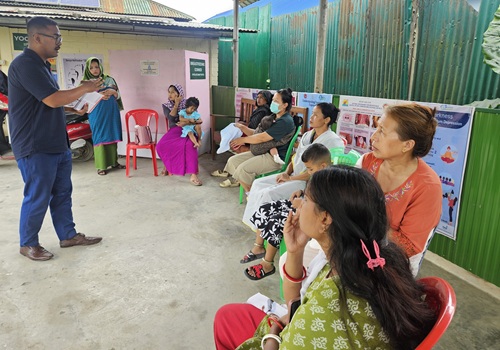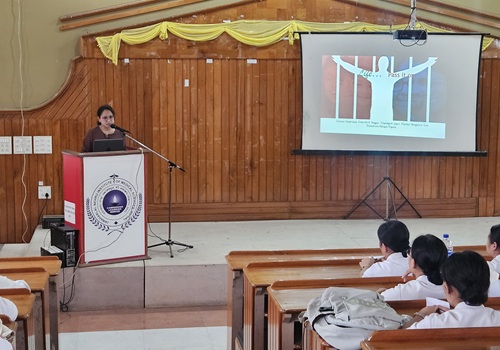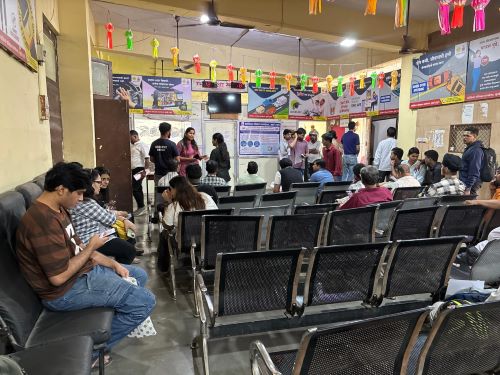
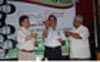
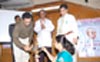
On November 28, 2025, an organ donation awareness session was organized at the RTO Office, Wadala, to educate staff members and visitors about the importance of organ donation. Around 45 participants attended the session. The program was supported by the administrative team of the RTO and coordinated smoothly with their assistance.
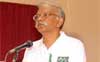
The session began with an introduction on MOHAN Foundation by Ms. Sakshi Kshirsagar. She briefed the participants about the foundation’s mission and the key projects undertaken to promote organ donation across the country.
She initiated the talk by understanding the participants’ existing knowledge on organ donation and addressed fundamental questions such as: What is organ donation? Who can be a donor? Who receives the organs? She clearly defined the concept of organ donation and emphasized its life-saving potential.
Ms. Sakshi then explained the difference between living and deceased organ donation, outlining the family consent process, the types of organs that can be donated by a living individual, and the role of the Authorization Committee in living organ donation. She highlighted the protocol and legal steps involved, ensuring clarity among the audience.
Participants were also introduced to the concepts of cardiac death and brain stem death. Ms. Sakshi explained how cardiac death occurs and listed the tissues that can be donated in such cases, including corneas, skin, heart valves, and bones. She also spoke about the role of eye banks and skin banks in the retrieval and preservation of tissues.
Further, she elaborated on brain stem death, asking questions to gauge participants’ understanding and dispel confusion. She explained the causes of brain stem death, the organs and tissues that can be donated, the procedure followed during donation, the formation of green corridors, and the importance of family consent.
In the final segment of the session, she discussed the THOA Act, the role of ZTCC, the patient waiting list system, and the current Indian scenario of organ donation.
A short discussion was also held addressing common queries from participants. Key questions included:
The session concluded with a discussion on myths and facts related to organ donation, highlighting the importance of pledging and communicating one's decision to family members.
It was an interactive and informative session, with participants showing genuine interest in understanding how they can contribute to the “Gift of Life” through organ donation.
























-ACT,-2011.gif)