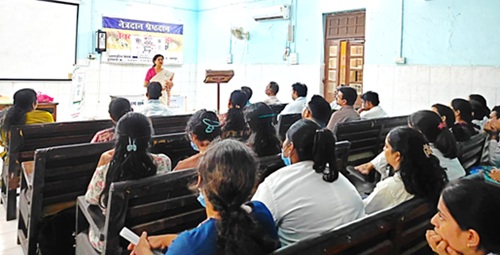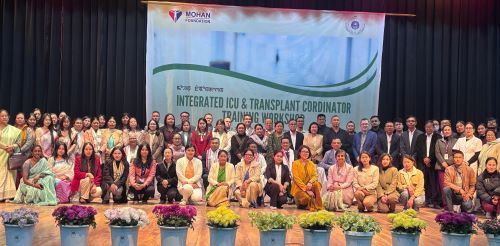
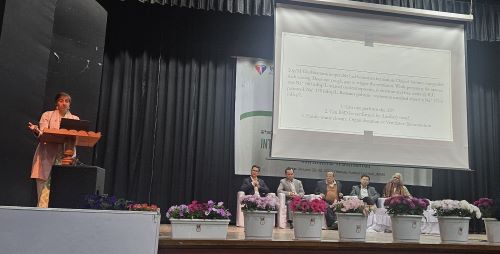
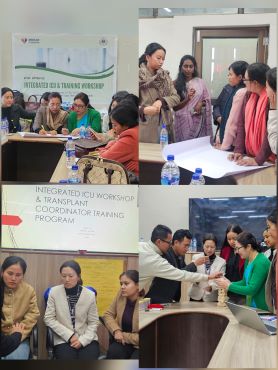
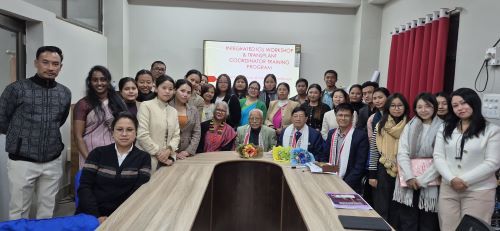
MOHAN Foundation, in association with the Jawaharlal Nehru Institute of Medical Sciences (JNIMS), Imphal, conducted an Integrated Intensive Care Unit (ICU) and Transplant Coordination (TC) Training Workshop from January 23 to 25, 2026, at the Main Auditorium, Imphal.
The programme was conducted by Mrs. Lalitha Raghuram, Country Director; Ms. Sujatha S., Associate Director – Courses, Chennai; and Ms. Laishram Monica Devi, Project Coordinator (North East) and Project Lead, Manipur. The coordination of the programme was supported by the MOHAN Foundation Imphal team comprising Mr. Bidyananda Laishram, Senior Program Executive; Ms. Moirangthem Priya Devi, Program Executive; and Mr. Elangbam Paringanba Singh, Program Executive.
The workshop was organised with the support of Prof. Longjam Usharani, Director, JNIMS. The successful execution of the programme was further supported by Prof. Kh. Lokeshwar Singh, Medical Superintendent; Prof. K. Sholay Meitei, Urologist and Transplant Surgeon; Prof. Sukham Thoibahenba; and Dr. Rakesh Nongthombam, Department of Anaesthesiology, JNIMS.
The workshop also featured external resource persons, including Dr. Shruti Mukesh Tandan, Critical Care Expert from Mumbai, along with faculty members from within the state.
Day 1 – January 23, 2026
The programme commenced with an introduction by Ms. Sujatha, followed by a pre-training evaluation. Mrs. Lalitha Raghuram conducted sessions on the fundamentals of organ donation and transplantation, highlighting ethical principles and emphasizing the importance of deceased organ donation.
The inauguration ceremony was graced by Dr. N. Hemantakumar, Director of Health Services (DHS), Government of Manipur, as the Chief Guest; Prof. Longjam Usharani Devi, Director, JNIMS, as President; Prof. G. Sunilkumar Sharma, Director, Regional Institute of Medical Sciences (RIMS); Dr. Palin Khundongbam, Chairman and Managing Director, Shija Hospital and Research Institute (SHRI); Mrs. Lalitha Raghuram; and Mrs. Victoria Yengkhom, IPS, as Guests of Honour.
The dignitaries emphasized the importance of integrated ICU practices and the role of trained transplant coordinators in improving deceased organ donation rates in the region. During her address, Mrs. Victoria Yengkhom expressed her willingness to be prepared to become an organ donor in the future.
As part of the inauguration, the following manuals were formally released:
• National Transplant Coordinators’ Training Programme Manual
• Strengthening Deceased Organ Donation – Workshop for ICU Professionals
• Transplantation of Human Organs Act (THOA): Amendments and Rules
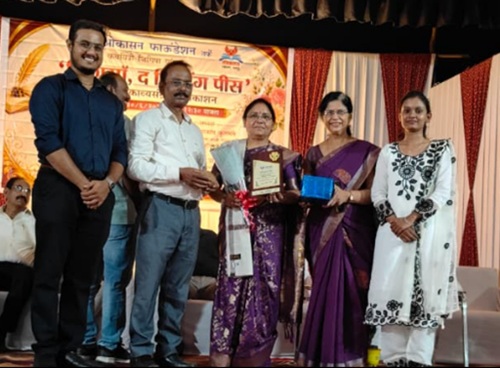
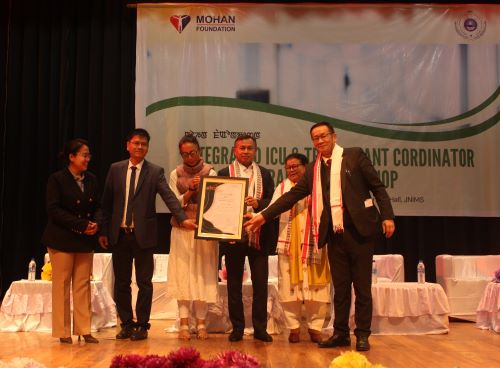
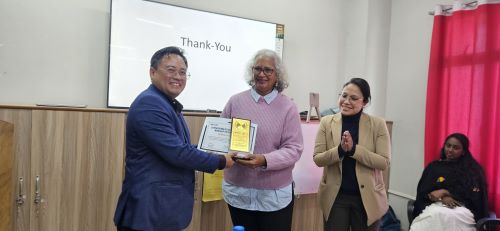
During the ceremony, the dignitaries also acknowledged the Social and Business Enterprises Responsibility (SABERA) Award received by MOHAN Foundation, Manipur, under the category Swasthya and Kalyan (Health, Nutrition, and Wellbeing). The award recognized the Foundation’s sustained efforts in strengthening the organ donation and transplantation ecosystem in the state.
Addressing the gathering, the Director of Health Services emphasized the importance of healthcare professionals and transplant coordinators being well-versed with the Transplantation of Human Organs Act, 1994. Highlighting the increasing burden of kidney and liver diseases, particularly among the elderly, he stressed the urgent need to enhance organ donation rates across the country.
Post-lunch sessions focused on the legal, clinical, and operational aspects of deceased organ donation, including brain death certification and donor management. Interactive quizzes, panel discussions on real-life challenges, family approach sessions, and practical exercises on developing Standard Operating Procedures (SOPs) for hospital-based deceased donation further enriched participant learning. The day concluded with the ICU module, setting the foundation for transplant coordinator training over the next two days.
Day 2 – January 24, 2026
The second day of the Transplant Coordinator Training Programme was conducted at the Pediatrics Centre of Excellence (PCoE) Hall, JNIMS. The sessions primarily focused on deceased organ donation processes, clinical overviews, and state-level coordination mechanisms.
The day began with a donor story shared by Mrs. Lalitha Raghuram, highlighting the human impact of organ donation and the importance of empathy and compassionate communication. This was followed by an interactive Frequently Asked Questions (FAQ) session addressing common concerns raised by donor families.
Ms. Monica Devi led a session on coordinating deceased organ donation, outlining the roles and responsibilities of various stakeholders. Prof. Rajesh Waikhom, Department of Nephrology, JNIMS, presented an overview of End Stage Renal Disease and renal transplantation in India and Manipur. This was followed by an activity-based session on the deceased donation pathway facilitated by Ms. Sujatha.
Post-lunch sessions included cornea donation in Manipur by Dr. Khoisnam Vikram Singh from the National Programme for Control of Blindness and Visual Impairment under the National Health Mission, medico-legal case coordination by Ms. Sujatha, liver diseases and transplantation by Dr. Luwang Tozo Thiyam, and discussions on challenging donation cases led by Prof. Sukham Thoibahenba.
The day concluded with a session on the role of the state in organ donation by Dr. Ningthoukhongjam Shugeta, Deputy Director, State Medical Board, DHS, who highlighted policy frameworks and government responsibilities. Faculty members were felicitated at the end of the day.
Day 3 – January 25, 2026
The third day focused on living donor transplantation, regulatory frameworks, and strengthening hospital-based organ donation programmes.
Sessions on Authorization Committees and Competent Authorities were conducted by Ms. Sujatha, followed by Ms. Monica’s session on the medical and psychosocial aspects of living donor transplantation. Ms. Anisha Khungdongbam, Deputy Director – Finance and Operations and Nodal Officer, SHRI, covered legal workups and approval processes related to living donor transplantation.
Mrs. Lalitha Raghuram conducted a session on initiating deceased donation programmes, emphasizing institutional preparedness, leadership involvement, and multidisciplinary team building. Activity-based sessions, including documentation checklists, role plays, and case discussions, were conducted with active participation from the attendees, strengthening their coordination and communication skills.
The day concluded with a session on public engagement and advocacy, followed by a post-training assessment.
Valedictory Session
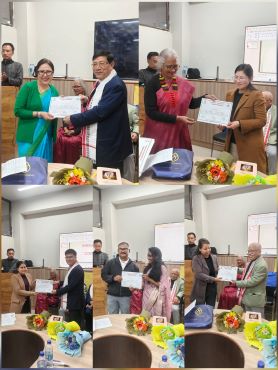
The three-day programme concluded with a valedictory and certificate distribution ceremony held at the PCoE Hall, JNIMS. The session was attended by Prof. Kh. Lokeshwar Singh; Dr. Sinam Rajendra Singh, Former Senior Urologist, RIMS; and Prof. Kangjam Sholay Meitei, who emphasized the importance of close collaboration between ICU teams and transplant coordinators for successful deceased organ donation programmes.
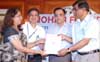
Approximately 40 participants received certificates from the dignitaries, including Mrs. Lalitha Raghuram and Ms. Sujatha S.
A total of around 120 participants attended the programme, including 80 participants in the ICU-focused workshop and 40 participants in the Transplant Coordinator Training Programme. The participants comprised consultant intensivists, anaesthesiologists, transplant coordinators, ICU nurses, social workers, and healthcare professionals from RIMS, JNIMS, SHRI, Babina Group of Hospitals, Khabeisoi, and the College of Nursing, Lamphel.
Feedback
Several participants shared their experiences during the closing session. Mr. Jemson from SHRI expressed his sincere gratitude for the opportunity, describing the workshop as an eye-opener that provided valuable exposure to the field of organ donation and transplant coordination.
Ms. Moirangthem Preety from Babina Group of Hospitals shared her commitment to creating awareness on organ donation in the most effective manner and expressed her willingness to serve as an active volunteer in the future.
Mrs. Ranjita, Nursing Officer, JNIMS, conveyed her passion for community work and emphasized her intention to disseminate knowledge on deceased organ donation at the highest level. She also appreciated the organization for delivering comprehensive and structured training on organ transplantation.
A student from the College of Nursing expressed heartfelt gratitude to the MOHAN Foundation for organizing a free training programme dedicated to this noble humanitarian cause and shared her aspiration to extend organ donation–related humanitarian services to the people of Manipur in the future.



























-ACT,-2011.gif)