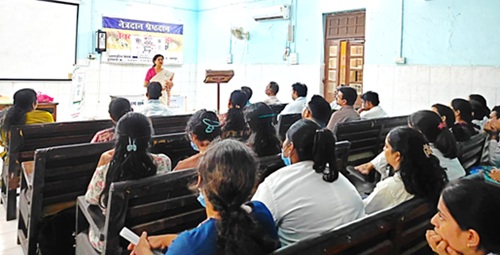
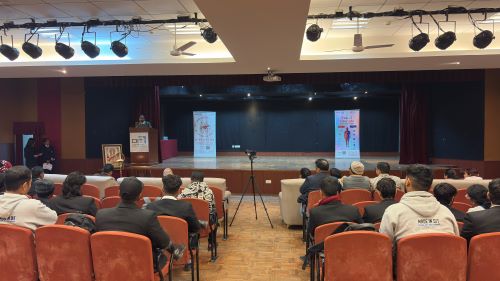
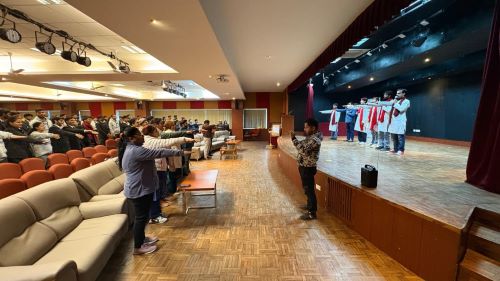
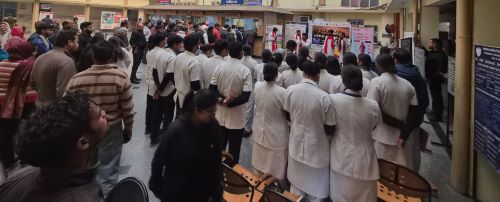
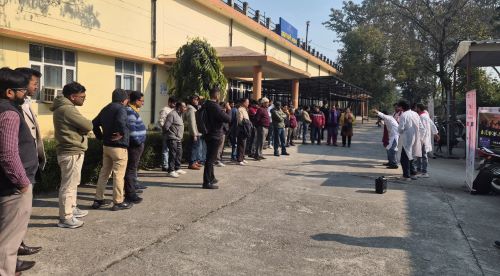
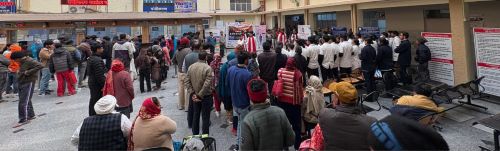
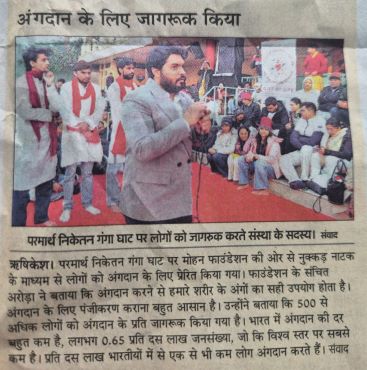
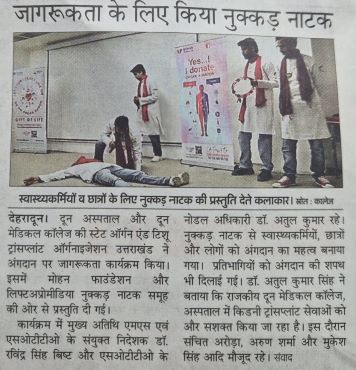
On January 15 and 16, 2026, MOHAN Foundation, Uttarakhand, in collaboration with Lift-Up-Pro Media, a Nukkad Natak group, conducted public awareness sensitisation activities through Nukkad Natak (street plays) across five locations in Uttarakhand. The initiative formed an integral part of a broader community outreach programme aimed at educating the public about the importance of organ donation and encouraging active participation in this life-saving cause.
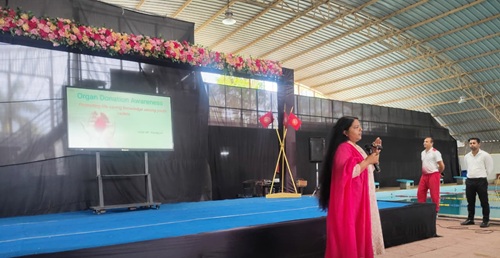
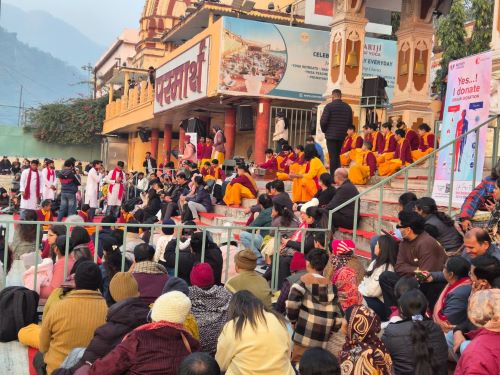
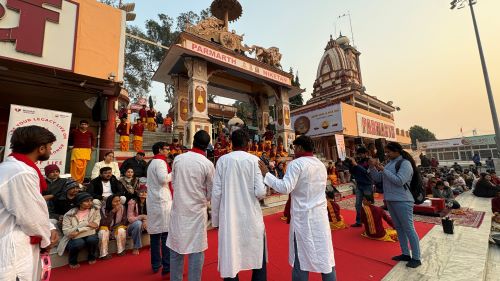
On January 15, 2026, the first programme was conducted at THDC India Limited, Rishikesh, where the Nukkad Natak effectively engaged corporate staff and enhanced their understanding of organ donation. The second programme was held at Parmarth Niketan Ghat in collaboration with Lions Club Rishikesh Devbhoomi during the Ganga Aarti. The street play attracted a large public gathering and significantly amplified the awareness message among devotees and visitors.
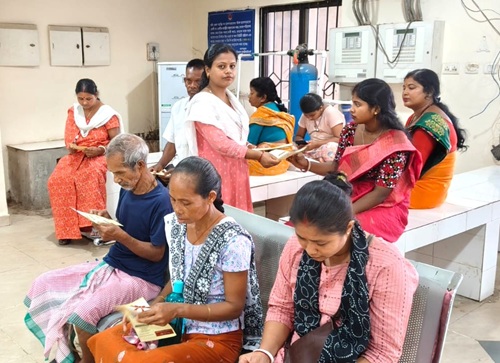
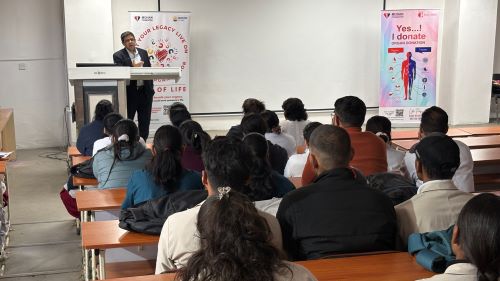
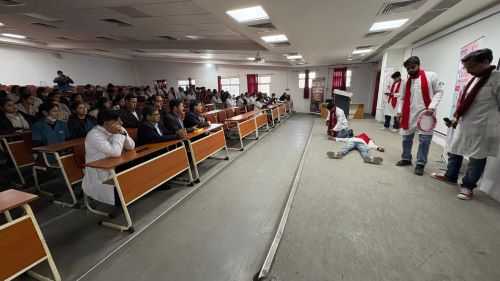
On January 16, 2026, the third programme was conducted in the waiting area of Himalayan Hospital, Dehradun, reaching hospital staff, medical students, patients, and their attendants. The fourth programme took place at Government Doon Medical College and Hospital in collaboration with SOTTO, Uttarakhand. Medical, nursing, and paramedical students, along with faculty members, actively participated in the session.
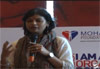
Dr. Ravindra Singh Bisht (Medical Superintendent, Government Doon Medical College, Dehradun, and Joint Director, SOTTO, Uttarakhand) and Dr. Atul Kumar Singh (Nodal Officer, SOTTO, Uttarakhand) were present and addressed participants’ questions, while also clarifying common myths and misconceptions related to organ donation.
The fifth and final programme was organized at DIT University, Dehradun, where students and staff of the Department of Pharmacy were sensitised through the awareness activity.
The Nukkad Natak performances powerfully conveyed that one brain-dead donor can save up to eight critically ill patients through multi-organ donation, including the heart, lungs, two kidneys, liver, pancreas, and small intestines, while restoring eyesight to two more individuals through corneal transplantation. The performances reinforced the legal and ethical validity of brain death donation under the Transplantation of Human Organs and Tissues Act, 1994 (amended in 2011), which mandates strict certification of brain-stem death by two qualified physicians through clinical criteria and apnea testing.
By highlighting the time-sensitive nature of family consent, required within a limited window of 4 to 12 hours due to organ viability, the plays emphasized how a moment of compassion can transform personal loss into hope for multiple families. Real-life narratives from donor families in Uttarakhand further helped audiences relate emotionally to the message.
Dialogues from the Nukkad Natak in the local language:
• “Marta hai shareer, amar hai aatma; Angdaan se milta hai swayam Parmatma.”
The body may perish, but the soul remains eternal. Through organ donation, one attains divine purpose.
• “Angdaan hai jeevan ka daan; Yehi toh hai insaan ki pehchaan.”
Organ donation is the gift of life. It reflects the true essence of humanity.
These emotionally resonant dialogues helped dispel myths, encouraged reflection, and motivated audiences to consider organ donation as a noble humanitarian act.
Each programme also included an interactive question-and-answer session, during which participants actively raised queries. These were addressed by Mr. Sanchit Arora, covering topics such as:
• Registration process for organ donation
• Medical confirmation of brain death
• Role of family consent despite personal pledges
• Organs and tissues that can be donated
• Religious perspectives, including views within Hinduism
• Government support and benefits under Ayushman Bharat
• Organ transportation from remote and hilly regions
• Role and responsibilities of MOHAN Foundation
• Eligibility of donors with tattoos or chronic illnesses
• Time available for family consent after brain death declaration
The programme concluded with heartfelt appreciation from participants, who commended MOHAN Foundation’s sustained efforts in promoting organ donation awareness. Many expressed gratitude for the impactful Nukkad Natak performances that simplified complex medical concepts, highlighted key statistics, explained brain death procedures, and encouraged families to view organ donation as a legacy of compassion.
Overall, the sensitisation activities reached approximately 1,250 participants, with over 500 individuals pledging to donate their organs, marking the programme as a meaningful step toward strengthening community participation in organ donation across Uttarakhand.















-ACT,-2011.gif)