Houston Methodist has reached a major milestone in transplant medicine by successfully completing the health system's
first robotic lung transplant, becoming one of only a few hospitals in the United States to offer this advanced and minimally invasive procedure ().
The breakthrough represents a
significant step forward in organ transplantation, offering new hope to patients with severe lung disease who may have previously been considered too frail or
high-risk for traditional open-chest surgery.
By combining robotic precision with minimally invasive techniques, surgeons aim to reduce surgical trauma, accelerate recovery and expand access to life-saving lung transplants.
A New Era in Lung Transplants
Lung transplantation is among the most complex surgeries performed in modern medicine. Traditionally, the procedure requires a large incision through the chest, often resulting in significant pain, extended hospital stays and lengthy recovery periods.
The robotic technique changes this approach dramatically.
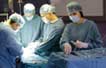
Instead of opening the chest widely, surgeons use robotic instruments to perform the transplant through a small incision measuring approximately six centimeters.
Because donor lungs can be deflated during implantation, surgeons are able to remove diseased lungs and insert healthy donor lungs through this much smaller opening. The result is less damage to surrounding muscles and tissues, reduced blood loss and improved post-operative recovery.
According to Dr. Ray Chihara, Surgical Director of Lung Transplantation at the J.C. Walter Transplant Center at Houston Methodist, the robotic procedure has long been a goal for the transplant team.
"The ability to perform lung transplants robotically allows us to consider transplantation for a wider group of patients and offers many direct health benefits," Dr. Chihara said. "Patients experience quicker healing times and reduced hospital stays."
Understanding the Robotic Approach
One of the most important advantages of robotic lung transplantation is its ability to expand eligibility for surgery. Many patients suffering from
advanced lung diseases such as pulmonary fibrosis, chronic obstructive pulmonary disease (COPD) or other end-stage respiratory illnesses are often considered too frail to tolerate traditional open-chest surgery.
The minimally invasive robotic approach may change that. Dr. Howard J. Huang, Section Chief and Medical Director of Lung Transplantation at Houston Methodist, says the procedure offers a valuable alternative for carefully selected patients.
"While robotic surgery won't be right for everyone, it allows us to expand who is eligible for a lung transplant," Dr. Huang explained. "Those who may be too frail to undergo a traditional open chest procedure could be considered for this minimally invasive option."
This expanded access could provide a second chance at life for patients who previously had limited treatment options.
Benefits of the Robotic Technique
The benefits of robotic surgery extend well beyond the operating room. Compared with traditional lung transplantation, patients undergoing robotic procedures may experience:
- Smaller surgical incisions
- Reduced post-operative pain
- Less blood loss
- Lower surgical trauma
- Shorter hospital stays
- Faster healing and recovery
- Earlier return to normal daily activities
For transplant recipients, quicker recovery can make a significant difference in physical and emotional well-being after surgery.
Early Success Encourages Expansion
Houston Methodist performed its first robotic lung transplant on April 12 and has since completed three additional procedures. Among the four patients treated:
- Three received single-lung transplants.
- One patient underwent a double-lung transplant.
All procedures have been reported as successful, providing the transplant team with confidence to continue developing and expanding the program. The encouraging outcomes place Houston Methodist among an elite group of medical centers pioneering robotic lung transplantation in the United States.
The Growing Role of Robotics in Organ Transplantation
Robotic surgery has transformed several medical specialties over the past two decades, including urology, gynecology and cardiac surgery.
Its application in organ transplantation, however, is relatively new and represents an important advancement. Robotic systems provide surgeons with:
- Enhanced three-dimensional visualization
- Greater precision and dexterity
- Improved control in confined surgical spaces
- More delicate tissue handling
As technology advances,
experts believe robotic-assisted transplantation could become increasingly common, improving outcomes while reducing complications associated with traditional surgery.
The Gift of Organ Donation Remains Essential
Despite technological breakthroughs,
physicians emphasize that successful transplantation still depends on the generosity of organ donors and their families.
Every lung transplant represents a life-saving gift, giving recipients the opportunity to breathe easier, regain independence and enjoy more years with loved ones.
Dr. Chihara expressed optimism about the future of the program and gratitude for the donors who make these procedures possible. "We are thrilled that our first robotic lung transplant procedures have been a success," he said. "We look forward to continuing to build and expand the program, offering our patients a second chance at life through the gift of organ donation."
A New Chapter in Transplant Medicine
The success of Houston Methodist's robotic lung transplant program signals a new chapter in transplant surgery�one where advanced robotics, minimally invasive techniques and innovative patient care work together to improve outcomes.
For patients battling severe lung disease, the advancement offers more than a surgical innovation. It offers hope: hope for faster recovery, expanded treatment opportunities and, ultimately, a renewed chance at life.
Reference:
- Houston Methodist completes system�s first robotic lung transplant - (https:www.houstonmethodist.org/newsroom/houston-methodist-completes-system-s-first-robotic-lung-transplant/)
Source-Medindia






























































-ACT,-2011.gif)