Christopher �Kid� Reid � the 61-year-old rapper and actor best known as one half of the
iconic hip-hop duo Kid �N Play � has revealed for the first time that he
underwent a heart transplant, sharing his emotional health journey publicly and urging others to prioritize their wellbeing. The news aired on Good Morning America and has sparked widespread discussion about heart health and organ donation.
Fatigue and Breathlessness Led to Life-Threatening Diagnosis
Reid said his health struggles began last summer when fatigue, shortness of breath and swelling gradually worsened. Initially attributing the symptoms to aging and the demands of performing, he eventually sought medical help when everyday activities became difficult.
A visit to the emergency room
led to a diagnosis of congestive heart failure, a condition in which the heart cannot pump enough blood to support the body�s organs.
Despite treatment with medication, Reid�s condition deteriorated. At a follow-up appointment, his cardiologist noticed alarming signs, and further tests revealed his heart was failing � and affecting other organs. He was placed on the heart transplant waiting list under urgent status, as doctors warned that a new heart was the only option to save his life.
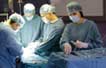
Remarkably, just eight to nine days after being listed, a donor heart became available. Reid underwent a successful late-night transplant surgery that lasted several hours. Reflecting on the experience, he expressed deep gratitude for his second chance at life, saying his new heart has given him renewed purpose.
Reid is using his platform to urge fans and the wider public � especially among communities of color, who
statistically face higher rates of cardiovascular disease � to listen to their bodies and seek medical help early.
He acknowledged that many people dismiss symptoms like fatigue or breathlessness until it�s too late, stressing that early detection and treatment can be lifesaving.
Understanding Heart Transplants and Recovery
A
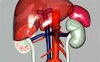
heart transplant () is a major surgical procedure reserved for people with end-stage heart failure or life-threatening heart conditions when other treatments have failed. It involves replacing a diseased heart with a healthy donor organ.
While the surgery itself can be life-saving, recovery requires ongoing care, including
immunosuppressant medications to prevent organ rejection, regular follow-ups with cardiologists, lifestyle adjustments and support from healthcare professionals.
Patients are advised to maintain a heart-healthy diet, engage in gentle exercise as recommended by their care team, manage stress, and avoid smoking and excessive alcohol to protect their new heart.
Reid�s openness about his health journey � including candid discussion of symptoms he initially overlooked � highlights the importance of awareness and early intervention for heart disease, which remains among the leading health threats worldwide.
References:
- Heart transplant - (https:www.mayoclinic.org/tests-procedures/heart-transplant/about/pac-20384750)
Source-Medindia



















































-ACT,-2011.gif)