Strengthening Clinical Practice and Coordination in Organ Donation
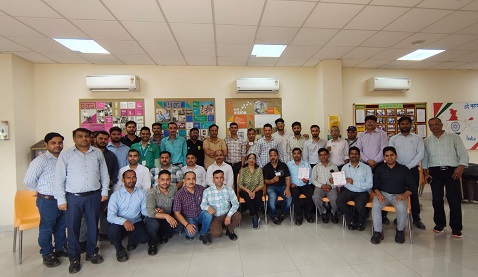
MOHAN Foundation, in collaboration with Manipal Hospitals, Bengaluru, conducted a three-day Training Workshop on Organ Donation titled “Strengthening Clinical Practice and Coordination in Organ Donation” from 28–30 May 2026. Supported by Tata Trusts, the programme was attended by 50 participants from various Manipal Hospitals across Karnataka and Tamil Nadu.
The workshop was designed to strengthen the knowledge, skills, and competencies of healthcare professionals involved in organ donation and transplantation. The programme covered both deceased and living organ donation, with a focus on legal and ethical frameworks, brain death certification, donation coordination, family counselling, communication skills, and best practices in organ donation.
The workshop brought together experienced faculty members, intensivists, transplant specialists, and transplant coordinators who shared their expertise and practical experiences with the participants.
Mrs. Lalitha Raghuram, Country Director, MOHAN Foundation, delivered sessions on the fundamentals of organ donation and transplantation, including the current status of organ donation in India and the role of healthcare professionals in improving donation rates. She also spoke about donor stories, approaches to families for organ donation, and the importance of communication and counselling in the donation process. Her session on soft skills emphasized communication, empathy, active listening, conflict resolution, and teamwork.
The legal aspects of organ donation and transplantation were covered by Ms. Sujatha Suriyamoorthi, Associate Director – Courses, MOHAN Foundation. Her session provided a comprehensive overview of the Transplantation of Human Organs and Tissues Act (THOTA), licensing requirements, documentation procedures, and ethical considerations involved in organ donation and transplantation.
The training programme covered key aspects of organ donation and transplantation, including brain death concepts, identification, and certification, presented by Dr. Pradeep Rangappa, Senior Consultant, Intensive Care Unit, Manipal Hospitals, Yeshwanthpur. Ms. Nagarathna, Manipal Hospitals, addressed frequently asked questions raised by donor families, while Mr. Vishukumar G. K., Manipal Hospitals, discussed the role of recipient coordinators in managing donor calls. Ms. Leena, Manipal Hospitals, presented the process, documentation, and approval requirements for living donor transplantation.
Dr. Avnish Seth, Head of the Department of Gastroenterology and Hepatology at Manipal Hospital, Dwarka, New Delhi, and Country Head of Manipal Organ Sharing and Transplant (MOST), delivered sessions on best practices in deceased organ donation and Donation after Circulatory Death (DCD), highlighting evolving practices and opportunities to expand organ donation programmes.
Participants actively engaged in interactive learning activities, including exercises on the deceased organ donation pathway and family approach strategies. An educational film developed by NHS Blood and Transplant (NHSBT) on “Good and Poor Practices in Approaching Families for Organ Donation” was screened, followed by discussions on effective counselling techniques and communication approaches.
A panel discussion moderated by Dr. Avnish Seth and Mrs. Lalitha Raghuram featured distinguished experts including Dr. Sunil Karanth, Chairman, HOD and Consultant – Critical Care Medicine, Manipal Hospitals; Dr. Jayanth Reddy, Lead Consultant – HPB, Liver and Pancreatic Transplantation, Manipal Hospitals; Dr. Sathwik Shetty, Consultant – Neurosurgery, Manipal Hospitals; and Dr. Bhaskar B. V., Consultant – Cardiothoracic Vascular Surgery, Heart and Lung Transplant Surgery, Manipal Hospitals. The panel explored practical challenges, opportunities, and strategies for strengthening deceased organ donation programmes within the Manipal network as well as across the state and country.
The workshop concluded with a post-course evaluation and valedictory session, during which participants were awarded certificates of successful completion.
The training reinforced the importance of a coordinated, multidisciplinary approach to organ donation and transplantation and highlighted the critical role of healthcare professionals in increasing organ donation rates and saving lives through transplantation.


































-ACT,-2011.gif)