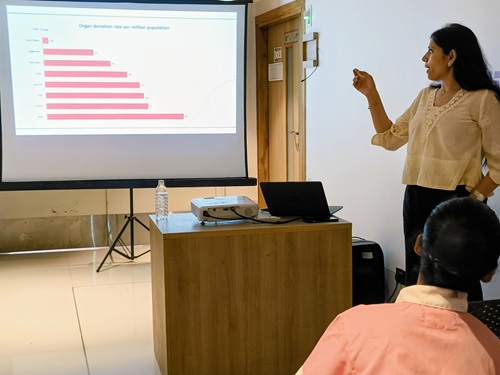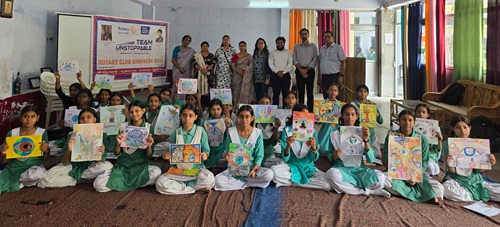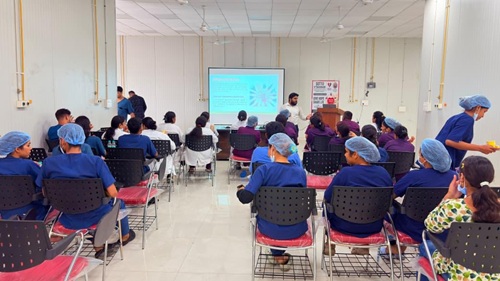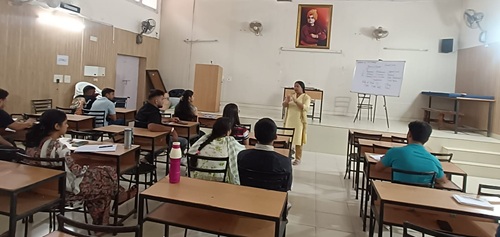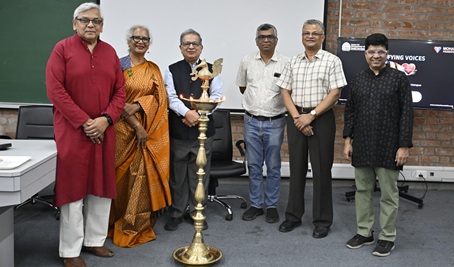
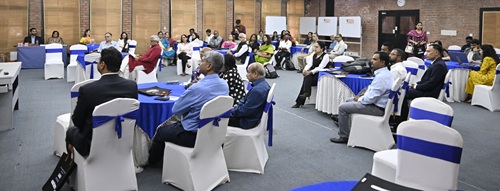
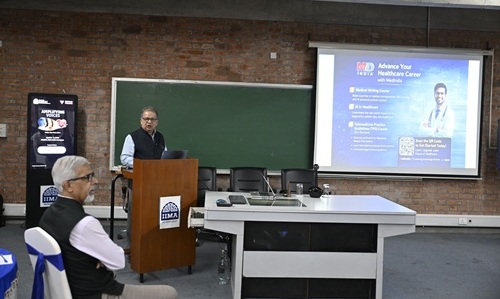
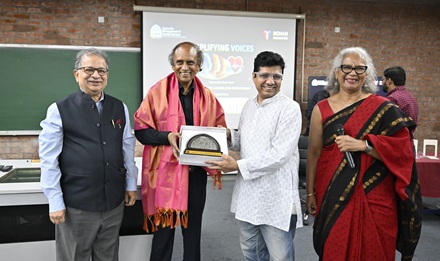
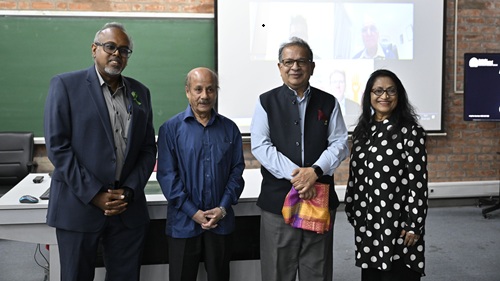
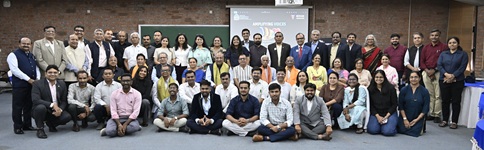
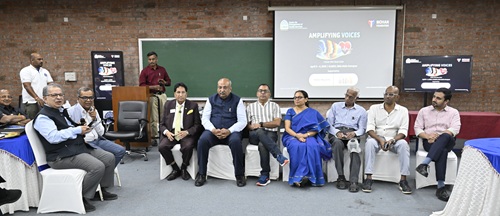
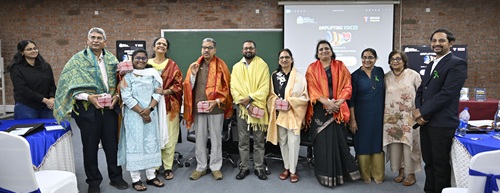
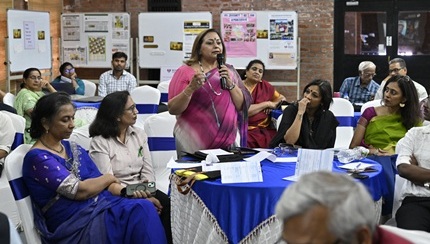
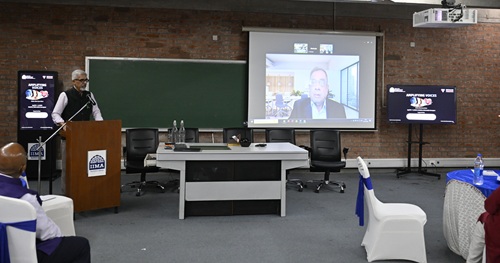
On April 3–4, 2026, MOHAN Foundation hosted “Amplifying Voices” : An International Conference on Organ Donation”, in partnership with Indian Institute of Management, Ahmedabad, bringing together healthcare leaders, policymakers, NGOs, researchers, transplant coordinators, and youth advocates from India and across the Commonwealth. Supported by Tata Trusts and the Commonwealth Tribute to Life initiative, the conference was inaugurated by Prof. Satish Deodhar, Dean (Faculty), IIMA, alongside Dr. Sunil Shroff, Managing Trustee of MOHAN Foundation, Prof. Rajesh Chandwani, Prof. Viswanath Pingali, and Mrs. Lalitha Raghuram. The inaugural addresses collectively emphasized that organ donation is not merely a medical intervention but a social movement rooted in empathy, ethical responsibility, systemic coordination, and collective action to bridge the widening gap between organ demand and availability.
Day 1 focused on innovation, technology, and global learning. Under the moderation of Mr. A.K. Viswanathan and other academic leaders, sessions led by Dr. Arun Shroff, Dr. Sunil Shroff, Ms. Pallavi Kumar, and Mr. Sundeep Kumar demonstrated how Artificial Intelligence, multilingual AI helplines, structured prompt engineering, digital storytelling, and design platforms such as Canva and Gamma can strengthen outreach while safeguarding data privacy.
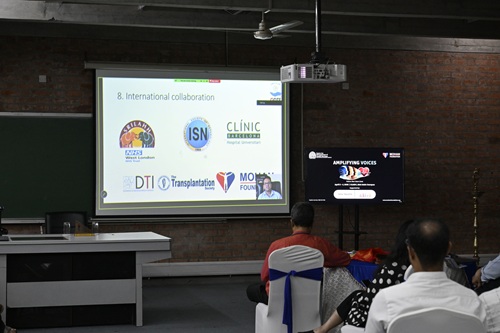
International experts including Dr. Dale Gardiner (UK), Dr. Niroshan Seneviratne (Sri Lanka), Dr. Harun Ur Rashid (Bangladesh), and Dr. Vijayan Manogran (Malaysia) presented comparative Commonwealth data, highlighting donor-per-million rates, consent systems, specialist nurse involvement, national registries, and organ procurement units as key determinants of success. Discussions underscored that legislation alone is insufficient—robust infrastructure, trained transplant coordinators, and a strong consent culture are critical to improving deceased donation rates.
The conference also explored creative and academic pathways for awareness generation. Sessions on performing arts, traditional arts, sports initiatives, and architectural memorials demonstrated culturally contextual strategies to engage communities. A major highlight was the screening of the award-winning documentary God, Vulture and Human, directed by Rishiraj Agarwal and supported by Prof. Rajesh Chandwani, which illuminated the pivotal yet often unseen role of transplant coordinators and the deeply human dimensions of organ donation. Hospital-based strengthening models, including ICU coordination systems, WhatsApp-based monitoring, and standardized operating procedures, were presented as practical mechanisms to enhance family consent and streamline donation processes. Across discussions, ethical communication, behavioural change strategies, and transparent organ allocation emerged as central themes.
Day 2 emphasized experiential learning, leadership development, and grassroots advocacy. The immersive “Vision in the Dark” experience at the Blind People’s Association, coordinated with Prof. Rajesh Chandwani, fostered empathy by allowing participants to navigate environments simulating blindness.
The session on “Self-Development – The Golden Ladder” by Vijay Parthasarathy highlighted personal growth, purpose-driven leadership, and inner transformation as essential qualities for sustained social impact. In Engaging Volunteers and Measuring Impact, A.K. Viswanathan underscored the importance of structured volunteer management, accountability, and outcome-based evaluation in scaling organ donation initiatives.
The SODA (Student Organ Donation Ambassador) Club Model and Ambassador Training Programme, presented by Ms. Jaya Jairam, Ms. Riyaa Palan, Ms. Reema Dewan, Mr. Gabriel Pereira, Ms. Parveen Mahajan, and other ambassadors, demonstrated how structured training, institutional partnerships, and faith-based engagement can convert awareness into measurable pledges.
The NGO and Community Voices panel reinforced the indispensable role of civil society in addressing policy barriers, administrative challenges, and public mistrust.
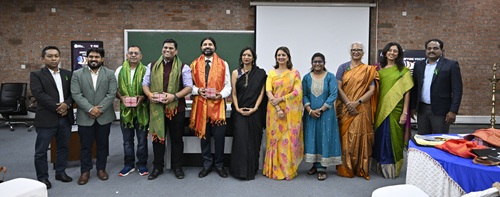
The conference concluded with a valedictory session recognizing key contributors and reaffirming a collective commitment to building a stronger, transparent, technology-enabled,and collaborative organ donation ecosystem in India and across the Commonwealth.
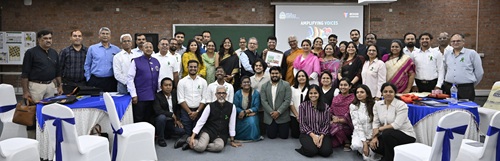
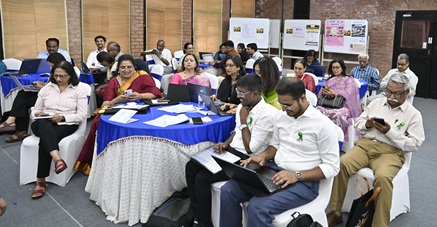
Around 120 participants attended the conference.




























-ACT,-2011.gif)