Click here to view Latest Activity
Click here to view Transplant Organ Donation News

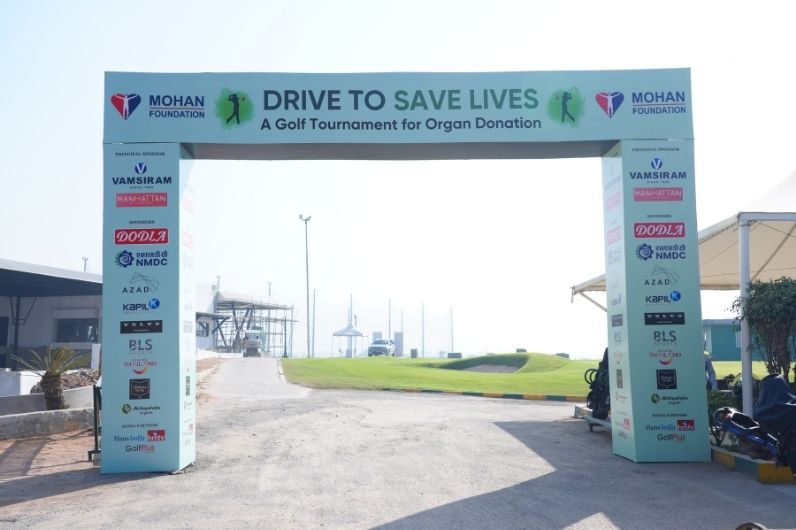
Place: Hyderabad
Date:15.02.2025
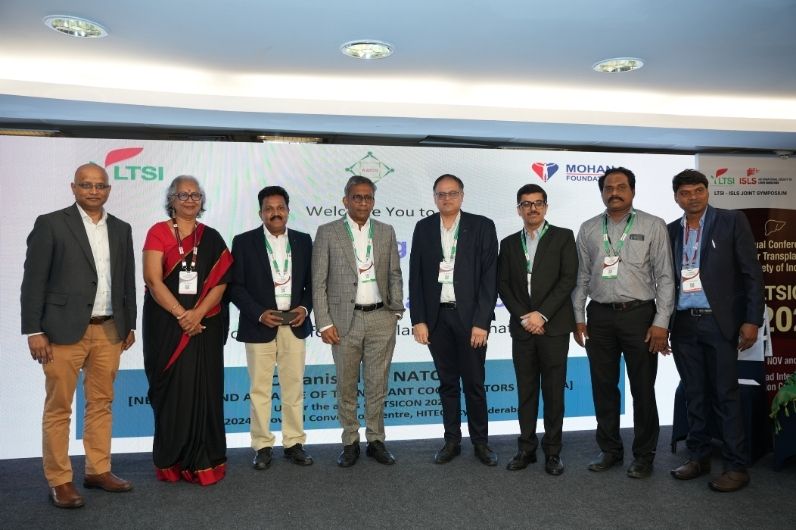
Place: Hyderabad
Date:29.11.2024
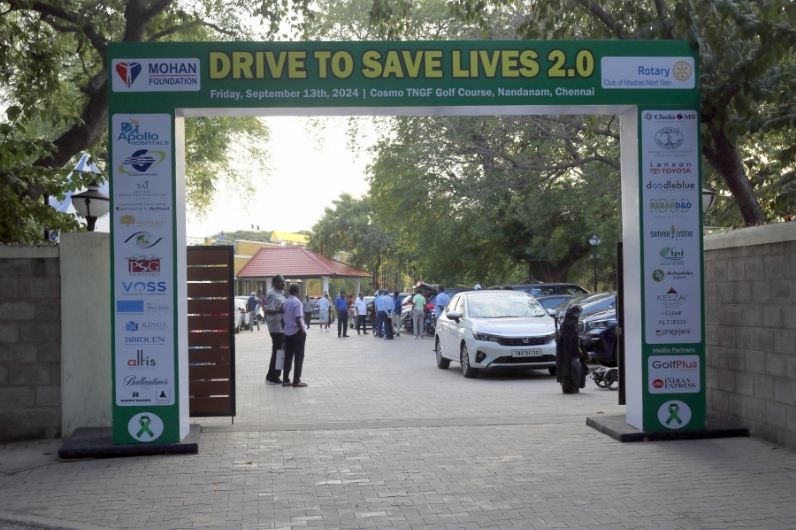
Place: Chennai
Date:13.09.2024
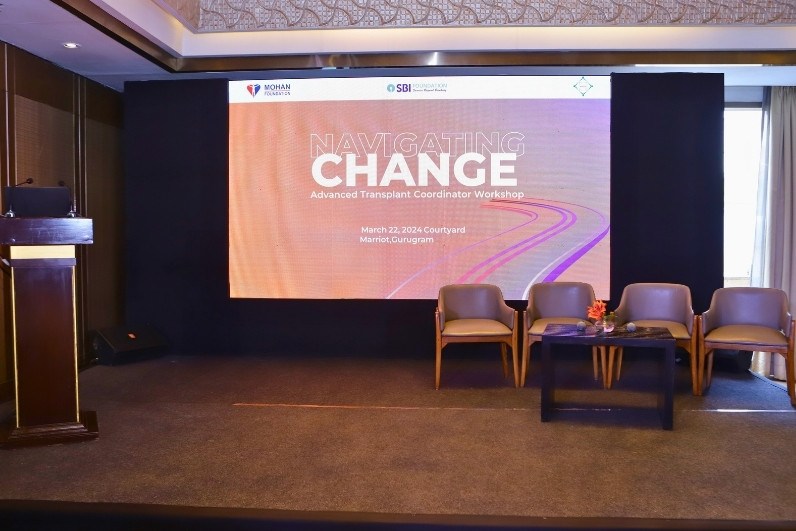
Place: Delhi
Date:22.03.2024
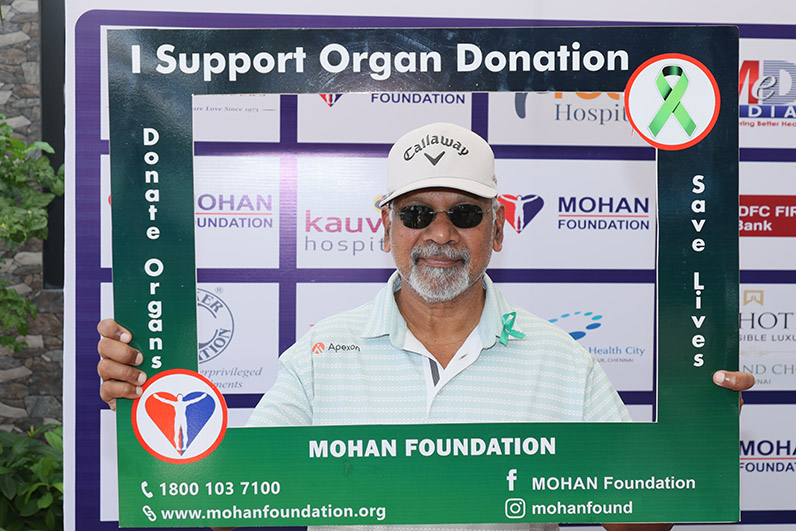
Place: Chennai
Date:09.09.2023
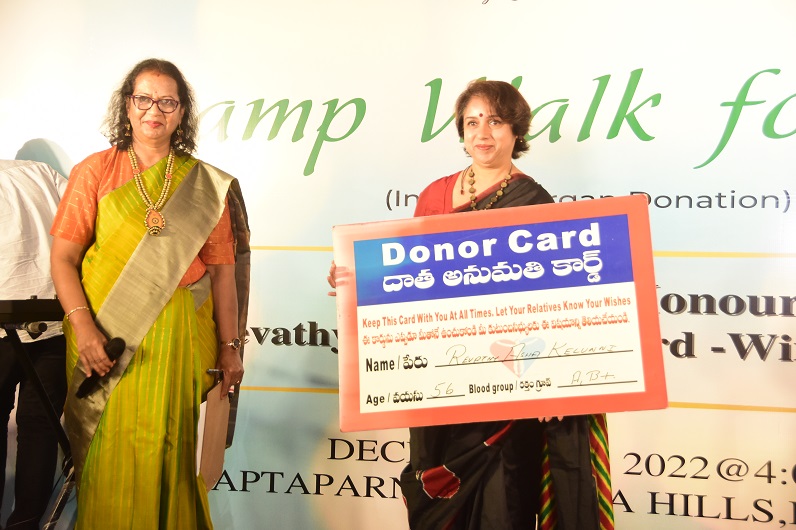
Place: Chennai
Date:23.12.2022
 Prof. Rutger Ploeg speaking at National Organ Retrieval Workshop March 2017 - English
 Dr. Philip G. Thomas speaking at 2nd Oxford Organ Retrieval Workshop Bangalore 2016 - English
 Kiran Rao, Anand Gandhi at MOHAN Foundation's Pledge to Donate Organs Initiative - English
 Address by Chief Guest Additional Chief Secretary, Govt. of Tamil Nadu - Mr. Syed Munir Hoda - English
 Address by Principal Secretary & Transport Commissioner, Tamil Nadu - Mr. Manchandranathan - English
 Rally Members Introduction & Presentation
-ACT,-2011.gif) THE-TRANSPLANTATION-OF-HUMAN-ORGANS-(AMENDMENT)-ACT,-2011.gif
THE-TRANSPLANTATION-OF-HUMAN-ORGANS-(AMENDMENT)-ACT,-2011.gif